Golf columns · Swing & impact
Hands Ahead at Impact
Check strike and delivered loft before pushing the hands forward
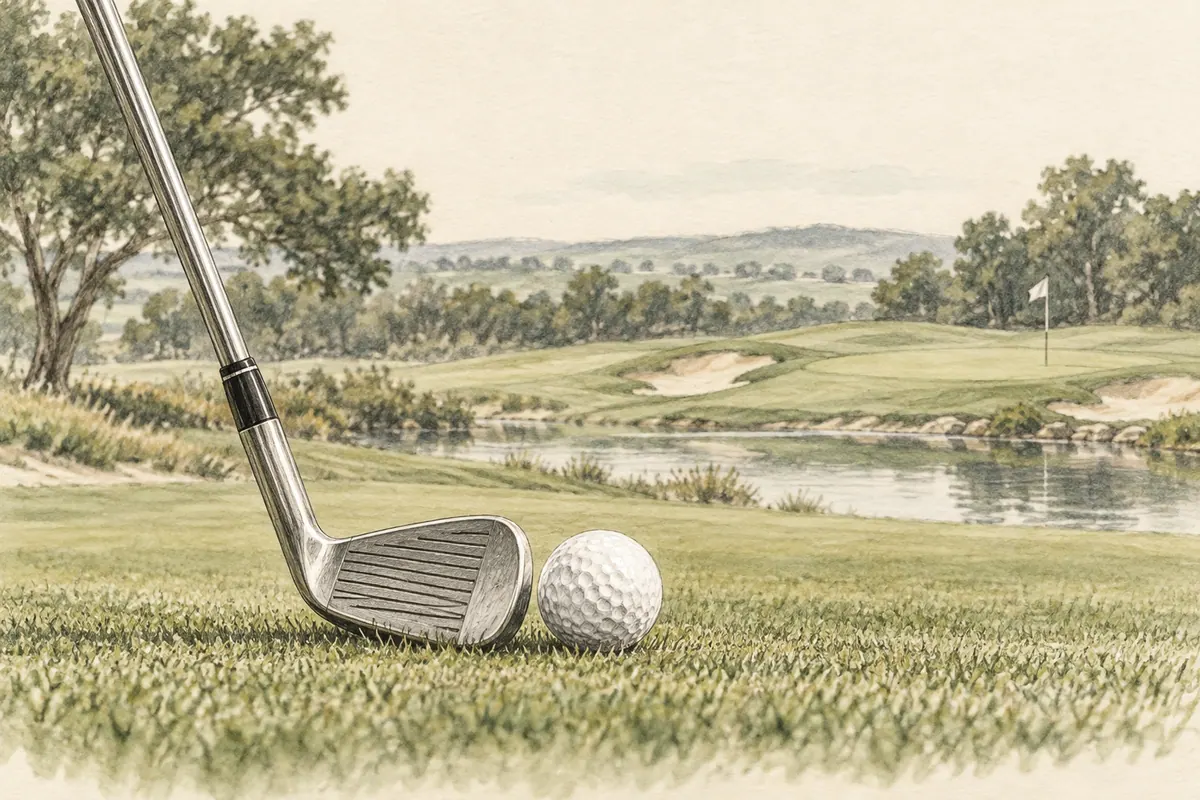
Freeze a professional's iron impact and the hands are ahead of the head. Push yours toward the target to copy that picture and the ball may fly low or meet an open face. Creating the shape in a photograph and striking the ball well are slightly different tasks.
Hands-ahead impact means that the hands are farther toward the target than the clubhead at contact. It is common with irons, but the amount depends on the club and shot. It is not a standard lean to apply to every club.
Does reducing loft also increase spin?
The loft actually delivered to the ball can differ from the number associated with the club at address. Head direction and speed, strike location, and friction also matter. Moving the hands forward alone does not simultaneously increase distance and backspin.
Too little loft can keep the ball from rising enough or reduce carry. Do not automatically call a low, forceful launch a good strike. Consider the intended height and what happens after landing as well.
Check contact sequence rather than the hands
In a small short-iron shot, see whether you meet the ball before the ground on the target side. Let the body turn smoothly instead of lifting with the wrists. You do not have to drag the hands a long way forward on their own.
Record strike location, height, and carry range together. Similar-looking lean on video may still represent an excessive change if those three become inconsistent.
For an iron meant to stop on the green, the stopping space after landing matters too. Even a little extra carry from forward hands is unhelpful if the ball flies too low and runs off the back. Decide which club and height the shot requires before evaluating impact.
Separate hand position at address from impact
Pushing the hands far forward at address does not ensure the same position at impact, because body and wrists move on the way down. Rather than exaggerating the starting pose to manufacture a result, check contact from a comfortable setup. Hands ahead should be understood as an outcome of the whole swing.
Short irons, long irons, and drivers have different original lofts and ball positions. Imposing one hand position on all of them can make some launch too low. An iron shot intended to stop needs sufficient height and appropriate landing behavior, not carry alone. Do not copy good impact photographs of different clubs into one template.
Dynamic loft means the actual loft delivered at contact. Shaft lean can influence it, but spin also requires looking at attack angle, strike, speed, and friction. That is why farther-forward hands may lower flight without changing spin as expected. Where measurements are available, read them together.
Judge better impact by what the ball does
Send small iron shots toward the same target and observe the landing area. Look at initial height and carry variation together. If low and fast is not your only pass criterion, you can notice short carry or excessive run from too much lean.
On grass, check ball-first contact followed by ground contact toward the target. On a mat, face markings and video together are preferable. Even if pushing the hands seems to reduce fat shots, a strike that moves too low or changes direction leaves more to investigate.
If hand position worries you on the course, do not add last-second movements to manufacture impact. Recall the balance and target you established with small practice shots. Concentrate on the carry required from your chosen club, and leave experiments with lean and spin for practice where several outcomes can be compared.
Hands ahead describes one moment of good impact. Keep the goal from becoming the forced preservation of that picture, and return to how the ball launches and stops.