Golf columns · Short game & putting
Using Wedge Bounce
Start with the sole's role on firm turf and soft sand
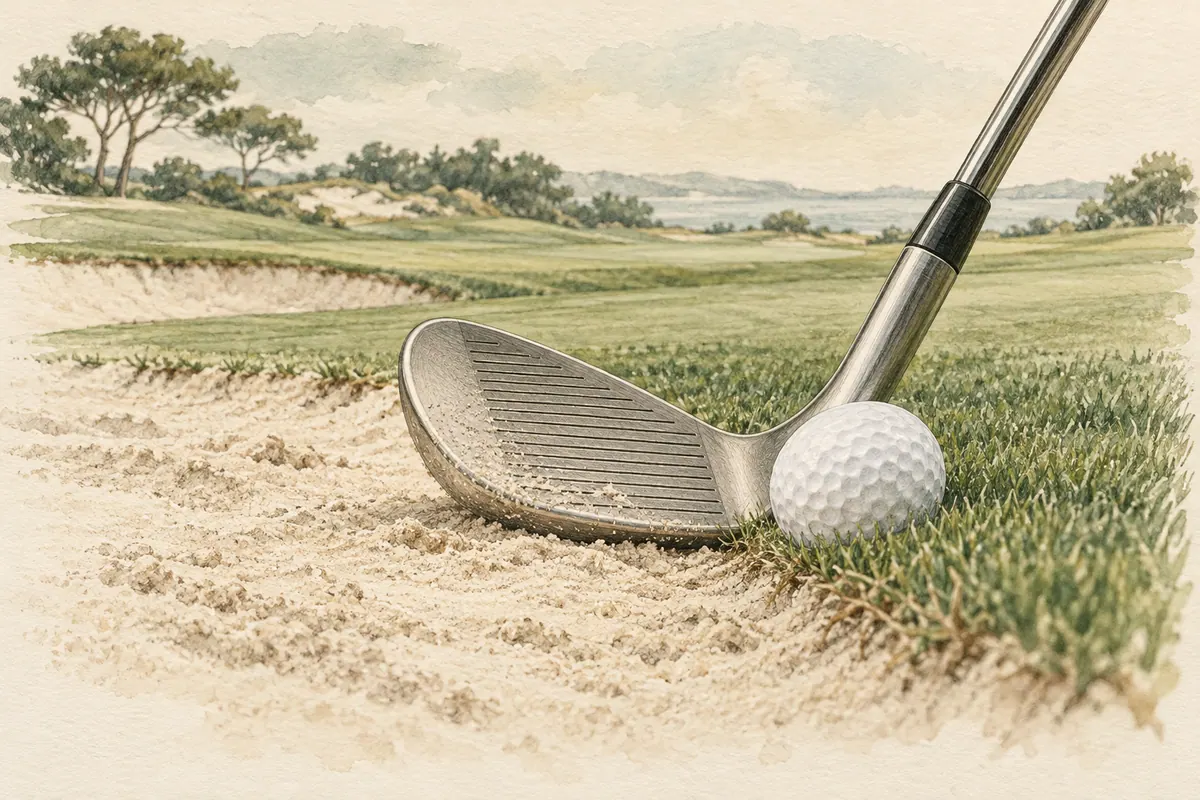
You may know the bounce number stamped on a wedge without knowing what it does. In simple terms, it is design related to how the sole meets the ground and lets the head pass through. It is not the same number as loft, which helps launch the ball.
More bounce can help reduce digging in soft conditions, while less bounce may suit a shallow approach from a firm lie. But ground alone cannot decide the choice.
Read the swing and sole beside the number
A steep player taking deep divots and a shallow brusher can get different reactions on the same turf. Sole width, grind, and how far the face is opened influence actual bounce behavior too.
That makes it difficult to divide wedges into high bounce always forgiving fat shots and low bounce always precise. Even at the same loft, compare the actual contact from real lies.
Do not treat turf and sand as one shot
Opening the face substantially on short, firm grass may raise the leading edge visibly. Soft sand, conversely, may let you use the sole to reduce deep digging. Sand depth and firmness vary, however.
Pushing the hands excessively forward when changing a shot alters the sole's role. Using bounce does not mean hitting carelessly behind the ball. Learn setup and contact point for the chosen shot together.
A bunker hardened after rain can react differently from familiar soft sand. Learn conditions through permitted observation and practice opportunities rather than deliberately digging to test. That is why the same wedge may need different setups for different lies and shots.
Learn sole interaction through a small pitch
A short pitch can make bounce easier to observe than a long full swing. From a comfortable setup on the same turf, hit several balls and compare the head's marks with flight height. Distinguishing digging from bouncing off the surface into the upper part of the ball reveals which contact repeats.
Opening the face can change both loft and the sole shape presented to the ground. A large simultaneous hand-position change makes the cause less clear. Establish a stock shot first, then compare with only your usual amount of opening. Do not assume the opening that feels comfortable on one wedge transfers to a different grind.
Do not select a wedge only from good results with the ball sitting up. Consider shots from short firm turf, normal fairway, and bunkers you frequently encounter. Finding a combination repeatable from common positions is more realistic than expecting identical advantages from every lie.
Information to take when choosing new bounce
Before fitting or testing, organize a description of divots and misses. Note whether you generally dig deeply, often strike the upper ball from thin grass, or frequently open the face. Describing contact makes comparisons more specific than deciding the bounce number in advance.
Comparing bounce or grind options at the same loft makes differences easier to feel. Changing loft and shaft along with the entire club makes it hard to attribute all height and distance changes to bounce. Match conditions where possible and look at repeated reactions rather than one best shot.
You can give existing wedges different roles too. If one is comfortable for normal pitches and another in soft sand, record that distinction. Knowing which lie and shot suited which club speeds course decisions more than knowing many numbers.
Bounce is closer to matching swing and ground than a number that erases mistakes. Looking at familiar course turf alongside your own contact makes the wedge you need more specific.