Golf columns · Swing & impact
Facing a Shank and Finding an Immediate Response
Confirm hosel contact, then rediscover spacing with small shots
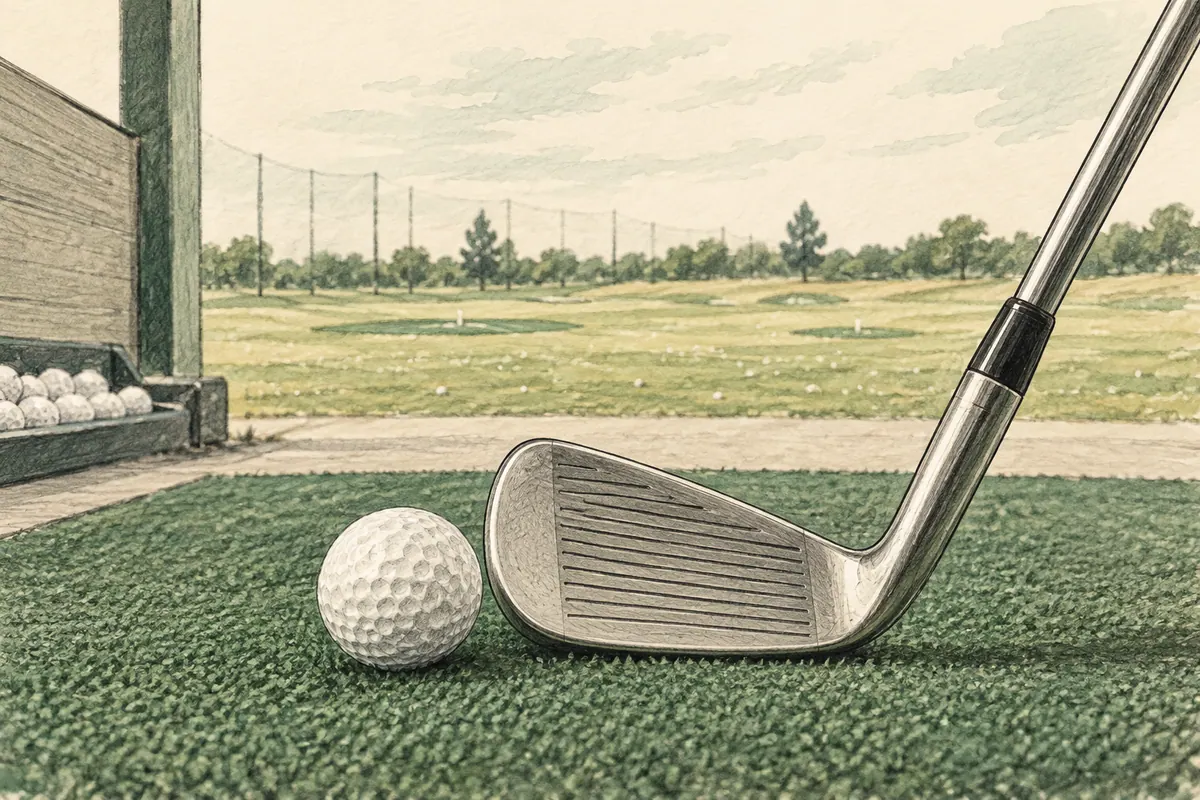
When an iron ball flies almost sideways, even placing the next ball becomes uncomfortable. A shank can occur when contact is near the hosel rather than the face center. Not every shot right is a shank, so first inspect the contact mark.
Stepping farther from the ball in a hurry can create another problem as you reach with the arms. Address spacing is a check, not the only cause. Consider patterns that move body and hands toward the ball as well.
Clear the surroundings and reduce swing size first
With balls flying sideways, first inspect nearby people and structures. Replace anxious full swings with small short-iron shots. If a strike-marking tool is available, check where contact really occurs.
Set the club down naturally and stand at a distance that lets the arms hang comfortably. Check for weight tipping toward the toes or arms reaching excessively. A gap measured in a specific number of fingers varies with body shape.
Change only one possible cause at a time
If small shots still show repeated hosel contact, face-on and down-the-line recordings are worth reviewing with a professional. Swinging harder to overcome fear is no substitute for checking.
The starting point differs if every strike clusters by the hosel or some balls strike the face normally. That is why marks are more useful than a memory of the ball going right. Record normal and missed shots from the same camera position for comparison.
After confirming the strike, change one variable
Once a hosel-area mark is confirmed, setup spacing can be checked first. Stand comfortably, let the arms hang, and set the club down. Notice whether you tip toward the toes, move closer than normal, or have to stretch the hands to reach. Avoid turning closer or farther into one universal prescription.
After a small spacing change, compare several shots with the same ball position and swing size. If you also alter grip and move the ball back, you cannot know which change moved the strike. Check for more central contact with small shots before deciding the next adjustment. Pause the habit of adding a fresh remedy after every ball.
If some balls are normal and others reach the hosel, compare preparation for the two. Separate changing address distance or balance from body and hand movement during the actual swing. Keeping normal shots on video makes differences easier to find than studying one miss for a long time.
Choices that let you finish the remaining holes
Immediately after a shank on the course, you cannot begin every range check. Ask whether a smaller swing can still handle the required distance and obstacles, then select a comfortable club and a broad target. Check the position of other people first because a ball may fly sideways.
Around the green, the highest-lofted shot is not the only option. Short grass and an open route may allow a putter or a short running shot. Rough or a bunker to carry calls for a different judgment. Choose what the present lie permits rather than running through an impossible route simply to avoid fear.
After the round, record the circumstances instead of only the word shank: long iron, short pitch, or late-round fatigue may be enough. Linking notes with strike and video gives more specific questions when seeking help. Separate the facts from the expectation that one miss will recur with every club.
One shank does not describe every shot you will hit today. Look at contact marks, reduce the size, and check one thing at a time. Start by stopping the anxious cycle of moving farther away and then closer again.